

From Idea to First Production · Guide 6 / 6
From Approved Sample to Bulk Production
Plan bulk apparel production after sample approval: final specifications, materials, first output checks, quality control, packing and shipment release.
8 min read
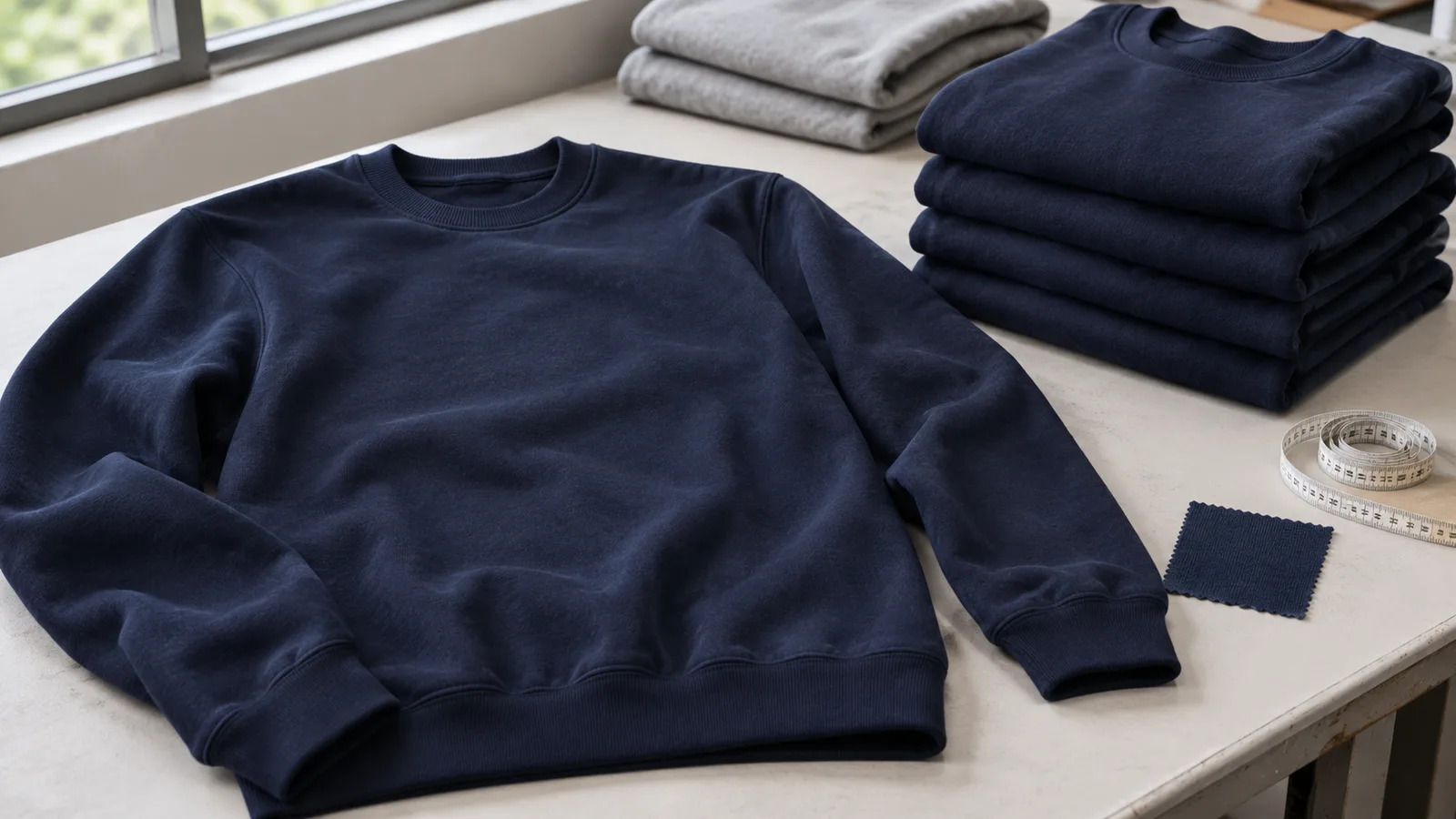
The sample is approved. You can see the garment, the fit feels right and the collection is beginning to look real. The next step is to make the same product consistently across the order, not simply to make more copies of the sample.
That handover deserves attention. The sample room may have adjusted one garment carefully; a production line works with bundles, multiple operators, material lots and finishing batches. The approved reference needs to travel with clear instructions and checks that people can use on the floor.
This final guide starts where the sampling and approval guide ends. It explains what to confirm before bulk starts, what to ask while production is running and how to make the shipment decision without relying on a reassuring photograph alone.
Be Precise About What You Are Approving
Fit approval, material approval and permission to begin bulk cutting are different decisions. A message saying “looks good” may confirm a neckline without confirming the final fabric, labels or full size range.
Identify the style code, sample reference and document version in the approval. List any open points and say which work can proceed. If the care label is pending, clarify whether this affects cutting, sewing, packing or shipment rather than leaving the whole order under a vague conditional approval.
Material purchasing may need an earlier decision than garment production. Agree any commitment to bulk fabric or custom trims separately, including what happens if the style changes. For the commercial side, revisit the costing, MOQ and timeline guide.
Give the Production Team One Current File
The approved garment and written specifications should describe the same product. A corrected sample is not enough if the measurement chart still carries the previous dimensions.
Bring the production information together:
- Style code, approved sample reference and current tech pack revision
- Measurement chart, points of measurement, tolerances and grade rules
- Bill of materials with fabric and trim references
- Color standards, wash references and artwork files
- Quantity breakdown by style, color and size
- Label positions, care information and packaging instructions
- Agreed checks, tests and approval responsibilities
Keep the buyer and production team on the same revision. If a construction note changes, update the file and identify the change; do not expect an instruction in a separate message to reach every cutting, sewing and finishing operation.
Where a photograph and a specification appear to disagree, resolve that difference before the relevant operation starts. Do not leave the production team to guess which reference takes priority.
Check Bulk Materials, Not Only Development Swatches
The fabric used for development and the fabric delivered for production need to be compared. Confirm the approved quality, composition, weight, color and finish, together with relevant test results.
For example, a rib approved separately may look different beside the bulk body fabric. A denim wash may change the finished measurements. A zipper replacement may affect the opening or sewing method. These are garment decisions, not just purchasing details.
Ask how material lots and shade variations will be identified and kept under control. For products where shrinkage matters, agree whether measurements are checked before washing, after washing or after the specified care treatment. Keep the reference conditions consistent.
If an alternative material is proposed, request the actual reference and its effect on appearance, fit, cost and timing before approving it. Similar composition on paper does not establish an equivalent finished garment.
Make the Pre-Production Handover Useful
A pre-production meeting can be a focused handover rather than a long presentation. Its purpose is to put the current sample, documents, materials and order plan in front of the people responsible for making and checking the garment.
Confirm who owns cutting, sewing, finishing, quality review and buyer decisions. Discuss the details most likely to go wrong: pocket position, seam appearance, elastic application, print placement, wash shade or a difficult fastening.
For each important point, agree what will be checked, when it will be checked and who can authorize the next step. Record the actions and unresolved questions. The meeting should leave the team with instructions, not another set of competing comments.
Review the First Pieces from Actual Production
A pre-production sample is a reference made before bulk. First output, sometimes reviewed through a top-of-production or TOP sample, comes from the actual production run. The names vary; ask what the sample represents and when it will be available.
Compare those early pieces with the approved reference for measurements, seams, trims, labels and finishing. Include relevant sizes and colors in the review plan rather than assuming one base-size garment answers every question.
Agree beforehand whether any stage must pause for this approval. A TOP sample that reaches the buyer after most of the order is finished cannot serve as an early release checkpoint.
If the first pieces reveal a recurring fault, identify the affected work and correct the process before it is repeated. Keeping one good garment for approval while the line continues unchanged does not resolve the issue.
Ask for Progress You Can Act On
“Production is 70% complete” can mean fabric has been cut, garments have been sewn or finished goods have been packed. These are different levels of readiness.
Ask for a short update by stage:
- Materials received and any remaining shortages
- Quantities cut and sewn, with the relevant style or color breakdown
- Finishing or washing completed and still pending
- Quality findings, corrective action and recheck status
- Quantities packed and expected readiness for inspection
- Decisions needed from the buyer, with a required date
Photographs are useful when they identify the style, stage and issue. They are less useful as evidence that the entire order is ready.
Agree an update rhythm that suits the order. Separate the planned completion date from the expected dispatch and arrival dates. If a date moves, discuss the cause and revised plan early; do not try to recover a missed approval by quietly dropping quality checks. Better Work's collaborative production planning guidance also emphasizes shared planning and agreed changes.
Treat Late Changes as Production Decisions
Consider a hoodie with a neck label already attached to part of the order. Changing that label now may require unpicking, replacement labels, additional handling and a second check for needle marks or damage. It is no longer just an artwork correction.
Before approving a late change, record:
- What changes, and which quantities are affected
- Which work has already been completed
- Material, price and delivery implications
- Who approves the change and any revised reference
- How existing work will be corrected and checked
Keep unapproved substitutions separate from accepted variations. A documented decision gives both teams something clear to work to and provides a reference if the same question appears again.
Define the Final Inspection and Shipment Decision
Agree the inspection scope before the order reaches the packing stage. It may cover workmanship, measurements, quantity, size and color assortment, labels, packaging and carton markings. Product-specific testing should also be addressed where required.
SGS describes checks at initial production, during production and before dispatch as distinct inspection stages. A final visit therefore complements earlier controls rather than replacing them. See its product inspection overview.
If a statistical sampling plan is used, agree the lot, inspection level, defect classifications and acceptance criteria. AQL is not a promise that the shipment contains a particular percentage of defects, nor a check of every garment. QIMA explains the sampling approach in its AQL reference.
Review findings against the agreed requirements. If correction is needed, define the affected quantities, corrective work and reinspection before shipment release. Do not treat a failed check as resolved simply because the delivery date is close. Escalate safety or regulatory findings for appropriate review rather than handling them as ordinary cosmetic defects.
Finish the Order with Packing and Handover Records
An otherwise correct order can still arrive with the wrong size assortment or carton labels. Reconcile the finished quantities with the packing list and the agreed order breakdown. Record any shortage, surplus or split delivery explicitly.
Confirm retail packing, carton markings, shipment documents, collection arrangements and the person authorizing release. Keep the final inspection record and an identified production reference where agreed. This makes it easier to review a later query or a repeat order without reconstructing the history from messages.
For a first collection, record what changed between development and production: material behavior, recurring corrections, actual lead times and packing issues. Those notes are useful inputs for the next order, not a reason to assume a repeat will need no checks.
Before You Release Bulk Production
- The approved sample and current documents match
- Materials, colors, trims and quantities are confirmed
- Required tests and unresolved approvals have named owners
- The production site, schedule and responsibilities are agreed
- First output checks and any hold points are defined
- Progress updates identify completed work and open decisions
- Changes require a recorded review of price, timing and affected stock
- Final inspection, correction and shipment release procedures are clear
- Packing and document requirements are part of the order
Plan Your Production with All In Denim
All In Denim develops samples in-house and manufactures apparel in Türkiye for international fashion brands. Our team brings sample approvals, material selection, bulk production planning and quality checks into the same order process.
Send your tech pack, sample status, quantity breakdown and required delivery window. We can review the work needed to move your collection into production. Explore our production process and quality control approach for the stages we manage.
References
Related services
Related Manufacturing Services
Explore the All In Denim services most closely connected to this guide.
Production Process
Follow the stages from technical review and sampling through bulk production and export coordination.
Quality Control & Compliance
See how approvals, measurements, inspections, packaging and documentation are coordinated.
Manufacturing Capabilities
Explore fabric sourcing, in-house samples, garment manufacturing, quality control and export preparation.
Ready to discuss your product?
Send your product brief, tech pack, reference images, estimated quantities, target market, and timeline for an initial production review.